
More than “a phase”?
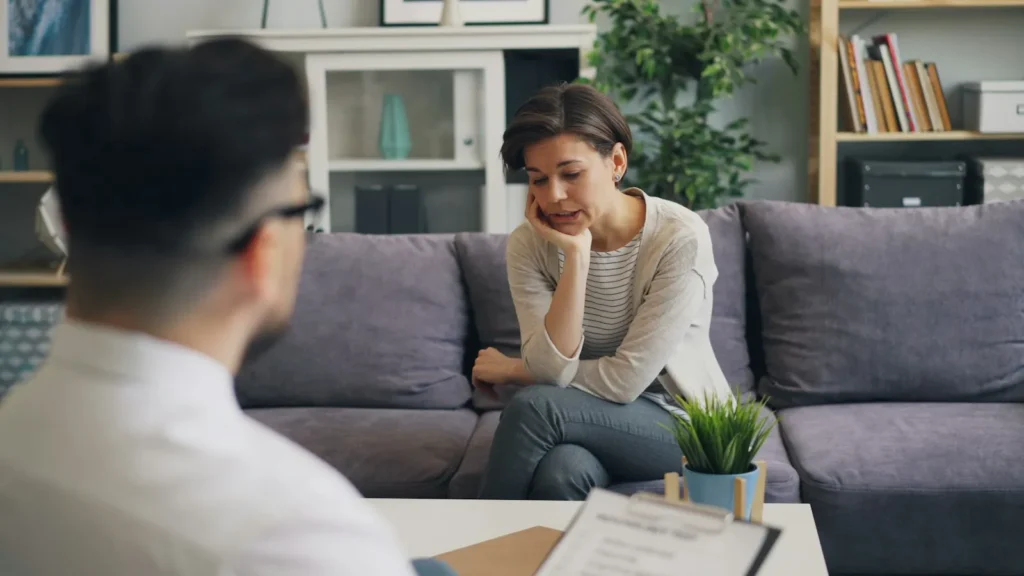
Adolescence brings many changes. When they last and affect school, friendships and family, talking to a psychologist or child psychiatrist can help. Teens often find it easier to talk to a neutral professional – and online counselling can be a first, easier step.
This page is informational and does not provide a diagnosis. Every child develops individually.
What you may notice
Signs worth paying attention to
- Withdraws from friends and family
- Is often sad, irritable or angry
- Changes in sleep or appetite
- Falling grades at school
- Loses interest in things they used to love
- Spends a lot of time on screens and avoids conversation
A clear next step
What would the first step look like?
Your observations
A conversation about age, daily life and the questions that worry you. Bring concrete examples.
Professional assessment
Looking at your child's needs and recommending further assessment if needed.
Support plan
Explaining the recommendations and agreeing on next steps – at the center and at home.
Parents ask
What do parents ask most?
My teenager doesn't want to see a psychologist. What should I do?
Start with parent counselling yourself. It is often the first step towards involving your teenager.
When is it urgent?
If your teenager talks about self-harm or suicide, seek emergency medical help immediately.